How did Hurricane Maria accelerate and affect gentrification?
The storm that opened a door for investors
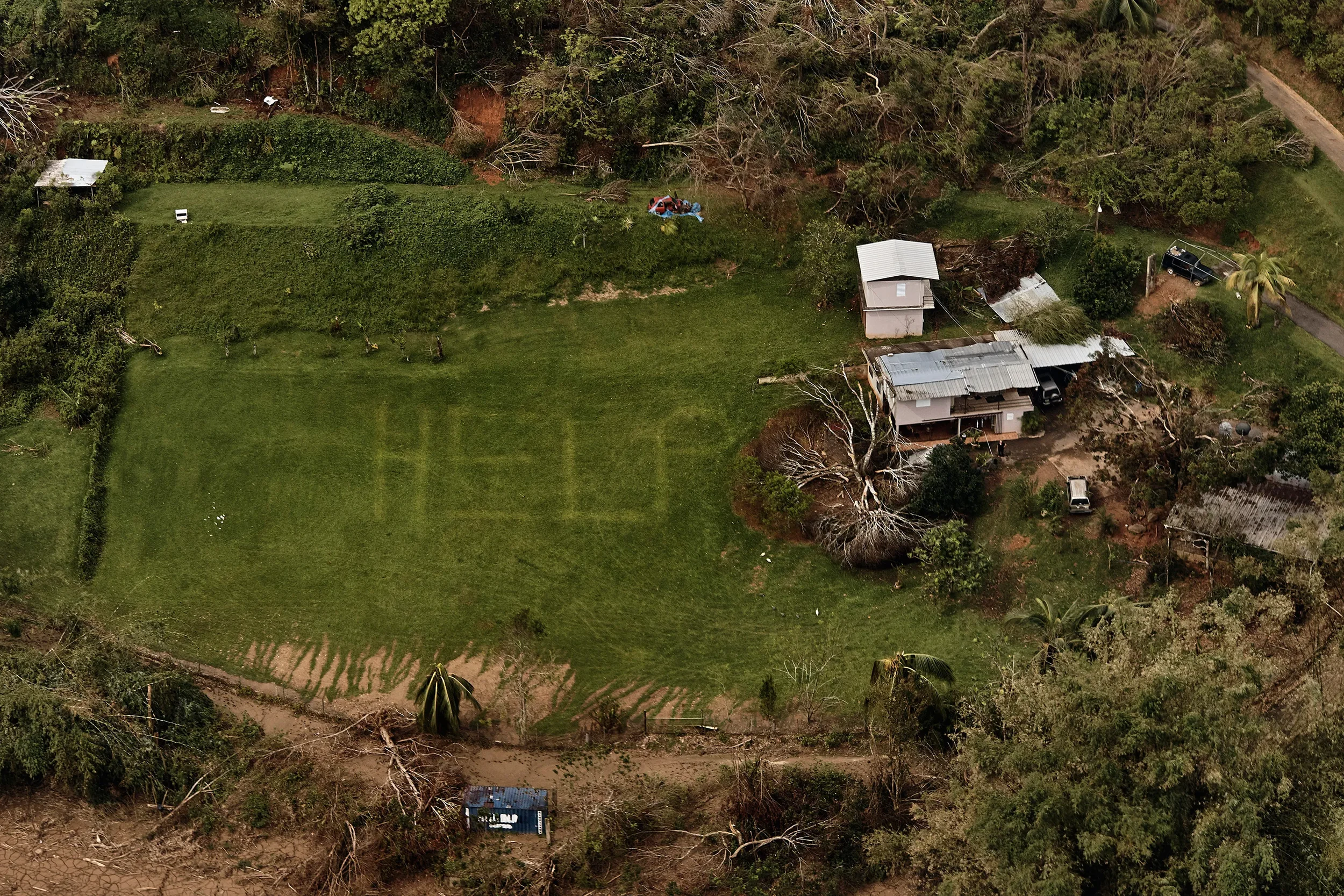
When Hurricane Maria hit Puerto Rico in September of 2017, it was the most powerful storm to hit the island in almost a century. So much of the island was destroyed or damaged, most notably, roads, bridges, schools, homes, and the electrical grid. Alongside the destruction of inanimate parts of the island, over 3000 people died. The island had virtually no electricity for months, and in rural areas, for almost a year. In the year following, 142000 islanders left according to US Census Bureau data.
Additionally, real estate prices collapsed. When this occurred, the investors followed.
The historian and professor I interviewed, Pedro Reina Perez, pointed to Jon Paulson, who is known for having shorted the US housing market in the 2008 financial crisis, which made him a billionaire, and became one of the largest buyers of Puerto Rican real estate in the following years. Reina Perez says that “he is the symbol of the obscene wealth that descended on Puerto Rico.”
In December of 2017, when much of the island was still without power, Trump signed the Tax Cuts and Jobs Act, creating the federal opportunity zones. These were attack incentives for investment in distressed communities; however, Puerto Rico was granted a blanket exception. 98% of its land was designated, converting the entire Island into a federally sanctioned tax Haven in the Wake disaster. Combined with Act 60, which had already been established the year prior, the effect in Puerto Rico became incredibly attractive to outside capital at a time when the island's residents were most vulnerable.
The period during which investors took advantage of the island was labeled as a time of disaster capitalism. Disaster capitalism is when corporations take advantage of a weakened place during a time of crisis to make money and increase their power.
“Disaster capitalism points to how neoliberal policies exploit the chaos left behind natural disasters such as Hurricane Maria in Puerto Rico or Hurricane Katrina in New Orleans. Apart from taking advantage of the chaos, these policies promote privatization of public services and deregulation. The repercussions are unevenly distributed - they are often felt most acutely by those who are poor and working class, while the rich get richer.”
- Mercedes M Martinez