Politics
The paradox of the political debate
The most important piece of political context as it pertains to the gentrification of Puerto Rico is that Act 60 is only possible because of Puerto Rico's status as a territory, meaning that it is neither a US state nor an independent country. For this reason, the island controls its own tax laws while residents are exempt from federal income tax, which is how it can operate. If Puerto Rico were to become a state, it would have to pay full federal taxes, and the advantages that locals have would disappear. On the other hand, if Puerto Rico were to become its own country, US citizens living there would owe federal taxes abroad. According to Carlos Francisco Ramos Hernandez, if Puerto Rico were to become a state, “ the island would need to reimagine its entire Economic Development strategy.”
Therefore, Puerto Rico's political status correlates directly with Act 60.
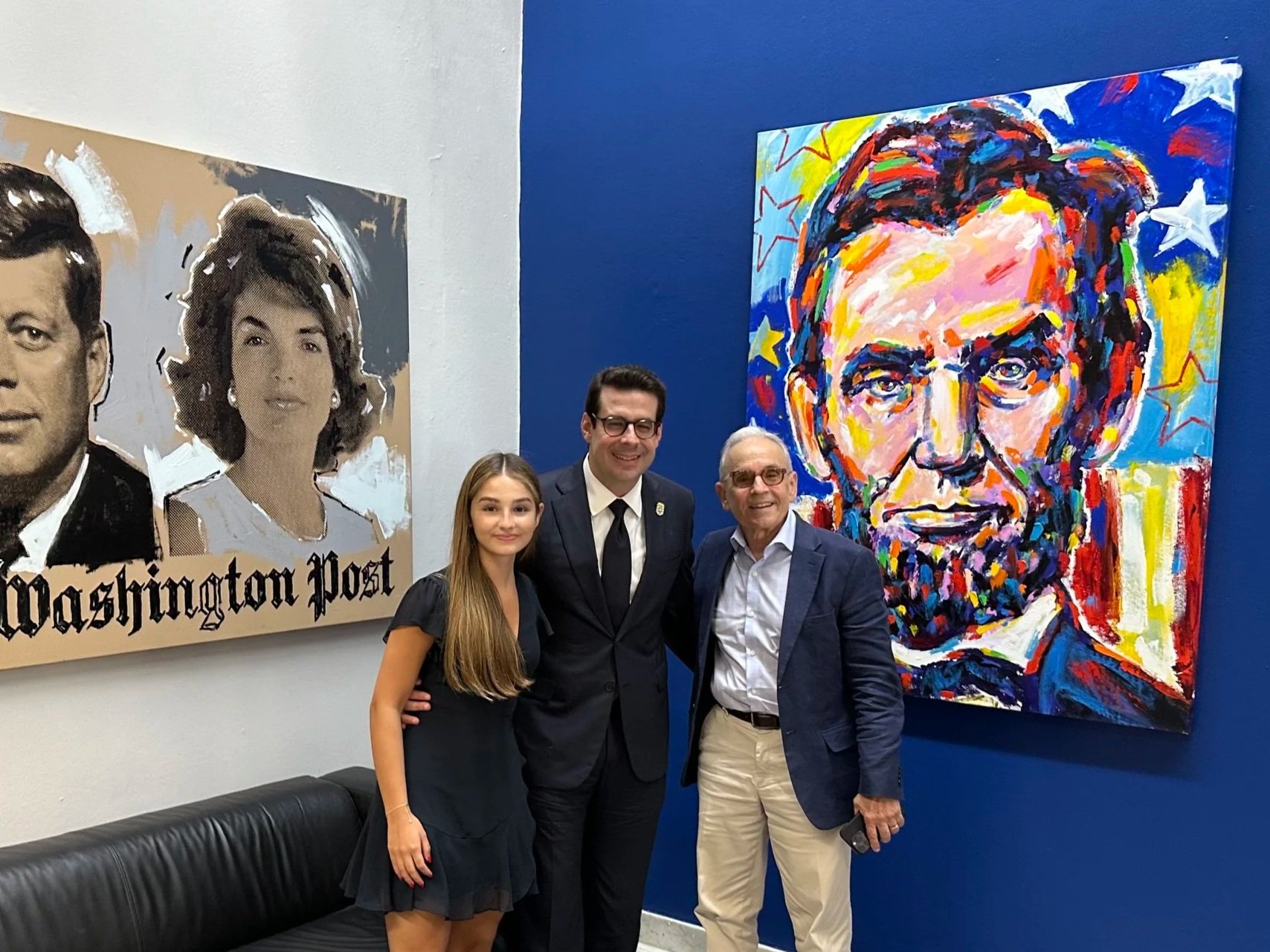
Another one of my interviewees was Francisco Domenech, the chief of staff of Puerto Rico's government, and is a PNP figure, meaning that he supports statehood. In his eyes, “people... have moved their businesses and operations here because Act 60 is not just for the individual investor, but also to bring businesses that export securities, those are the better examples. They’re buying a home, a car, and eating in restaurants. That brings new money into an economy.”
He points to economic indicators. Home prices in many areas have recovered pre-2010 levels, unemployment is at an all-time low, and labor market participation is at an all-time high. Right now, Act 60 is a transition measure that is intended to stabilize the economy until statehood becomes politically viable, which he believes it will in the near future.
The contradiction within this stands that he recognized was that Act 60 is essentially anti-statehood. Investors only benefit from this arrangement because of Puerto Rico's territorial status; therefore, having a large percentage of the island’s population going to benefit from this act would make it difficult to transition to statehood if, or when, that happens. The reason why this has to continue, however, as Domenech told me, was that Puerto Rico is not in the economic state to support itself without Act 60 investors due to economic hardships that occurred in the early 2000s. The island’s economy is still rebuilding itself and therefore needs the foreign wealth to help support it.
One of the other main political parties on the island is the PPD, which supports the current state of Puerto Rico as a commonwealth of the US. As mentioned before, the status of a commonwealth is what makes Act 60 possible; therefore, the PPD, from what I understand, must be willing to accept the fact that Act 60 will continue to be active.
“Those who support the colonial Commonwealth status tend to favor the act because it is precisely the current political status that allows such incentives to exist in the first place. Yet some advocate for amending Act 60 to ensure the government has better tools to monitor and oversee the program.”
- Carlos Francisco Ramos-Hernández
The Economist I spoke to, Joaquin Villamil, was vague but described the PPD's historical relationship to Economic Development incentives as generally favorable. There have been some PPD figures that have proposed greater oversight and transparency within the Act 60 structure, as noted by Ramos Hernandez, but there has not been any reform effort to emerge to make this happen yet.
Lastly, the other Main political party in Puerto Rico is the PIP or the Partido Independiente Puertorriqueño.
As I'm sure is obvious, the PNP has been the only vocal opponent of Act 60 and one that has called for its repeal. Senator Maria de Lourdes Santiago introduced legislation in the Puerto Rican Senate to abolish the act, calling it “modern Colonial apartheid.” The independence movement has grown significantly in recent electoral Cycles and has grown approximately 700% between the 2016 and 2020 elections.
“Act 60 is another symptom of neoliberal policies that benefit developers, private companies, and Wealthy investors over creating policies that benefit Islanders and those in the diaspora who dream of returning to Puerto Rico. The way to promote Puerto Rican culture and livelihoods is to eliminate these discriminatory tax breaks for the rich, and tax heavily the wealthy.”
- Mercedes M Martinez
What these Parties agree on
Although these three parties clearly disagree not only on the status of the island but also on Act 60, they do seem to agree on one thing. The current system that Puerto Rico has in place is not working well enough.
Luis Valentin framed this problem very simply. The issue is that the structure of Act 60 differs clearly from 936, however flawed it might have been. There is currently no strategy that connects Act 60 to a vision of larger economic development. Therefore, there is no plan for what to do with it.
Sat down with Francisco Domenech at his office at the Fortaleza when I went to interview him in Puerto Rico.